

Introduction
Nutrition is one of the most fundamental processes of life, as it provides organisms with the energy and materials required for growth, repair, and survival. Among the different modes of nutrition found in nature, autotrophic nutrition holds a unique and vital position. To understand living systems properly, it is essential to clearly understand what is autotrophic nutrition and why it is so important for life on Earth. Autotrophic nutrition is the foundation of all food chains and ecosystems, as it allows certain organisms to produce their own food using simple inorganic substances.
When students or readers ask what is autotrophic nutrition, they are essentially exploring how plants, algae, and some bacteria sustain themselves without depending on other organisms for food. These organisms are known as autotrophs, meaning “self-feeders.” Through specialized biological processes, they convert non-living raw materials into organic food. This remarkable ability supports not only their own survival but also the survival of all other living beings, directly or indirectly.
This article explains what is autotrophic nutrition in detail, covering its definition, process, types, importance, examples, and role in maintaining ecological balance. Each section is designed to build a clear and complete understanding of this essential biological concept.
Definition of Autotrophic Nutrition
To clearly understand what is autotrophic nutrition, it is important to start with its definition. Autotrophic nutrition is a mode of nutrition in which organisms synthesize their own food from simple inorganic substances such as carbon dioxide, water, and mineral salts. This process requires an external source of energy, which is usually sunlight or, in some cases, chemical energy.
Organisms that follow this mode of nutrition are called autotrophs. Green plants are the most common examples, but many algae and certain bacteria also show autotrophic nutrition. These organisms do not rely on other living beings for their food, making them independent producers in the ecosystem.
In simple terms, what is autotrophic nutrition can be explained as the process by which an organism prepares its own food using energy and raw materials available in the environment. This ability makes autotrophs the primary producers and the starting point of almost every food chain.
Basic Concept Behind Autotrophic Nutrition
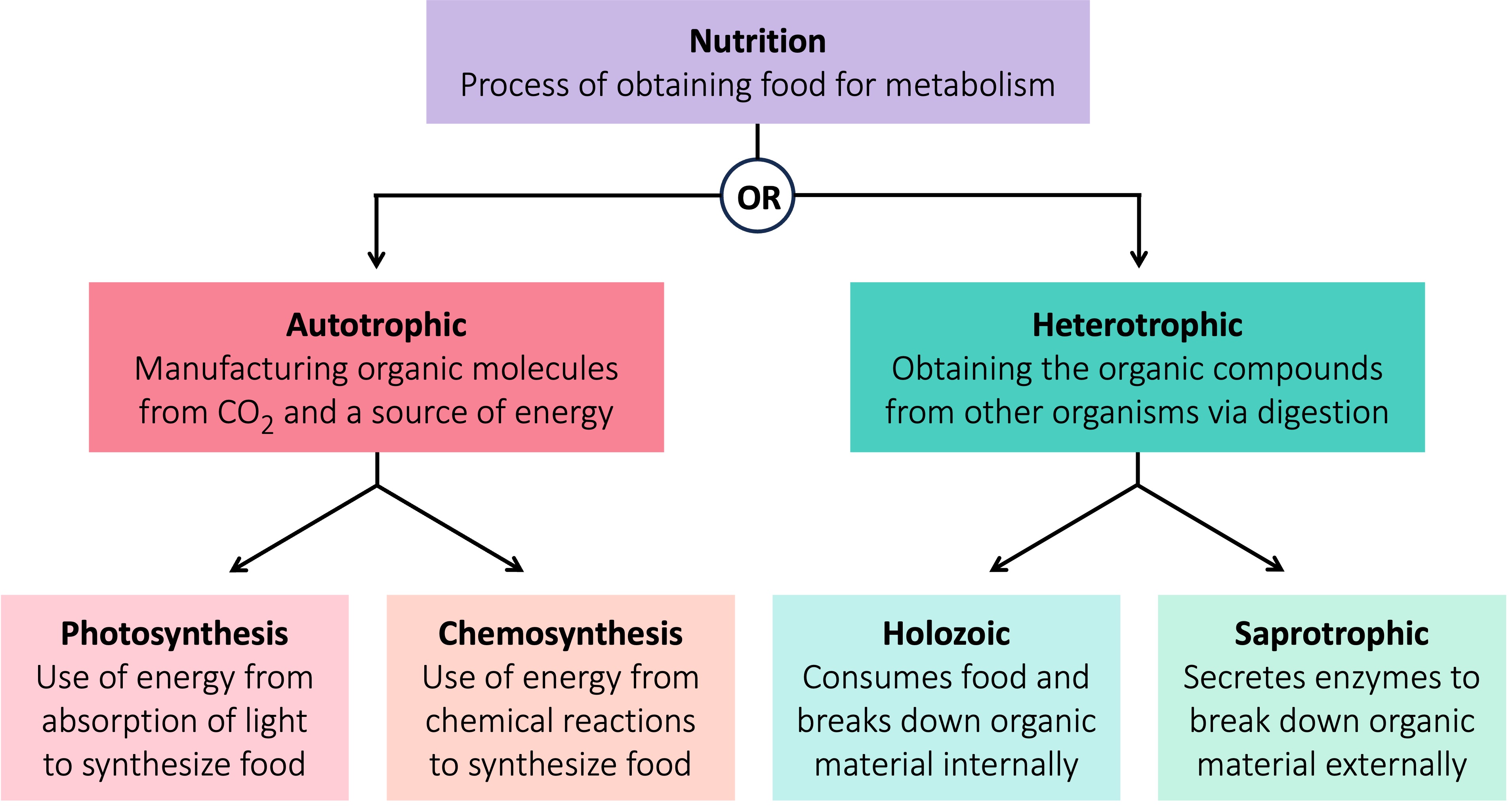
The basic idea behind autotrophic nutrition lies in the conversion of inorganic substances into organic compounds. Organic compounds, such as carbohydrates, proteins, and fats, are essential for life. However, autotrophs mainly produce carbohydrates first, which later serve as a source of energy and building material.
To understand what is autotrophic nutrition more deeply, one must recognize that energy plays a central role in this process. Autotrophs capture energy from sunlight or chemical reactions and use it to drive the synthesis of food. Without this energy input, the conversion of simple substances into complex food molecules would not be possible.
Autotrophic nutrition is not just a feeding method but a complex biochemical process involving enzymes, pigments, and specialized cellular structures. This complexity highlights how advanced and efficient natural systems are in sustaining life.
Types of Autotrophic Nutrition
Autotrophic nutrition is broadly classified into two main types based on the source of energy used by the organism. Understanding these types helps clarify what is autotrophic nutrition and how it operates under different environmental conditions.
Photosynthetic Autotrophic Nutrition
Photosynthetic autotrophic nutrition is the most common and widely known form of autotrophic nutrition. In this type, organisms use sunlight as the source of energy to prepare their food. Green plants, algae, and cyanobacteria are typical examples of organisms that show photosynthetic autotrophic nutrition.
In this process, chlorophyll plays a crucial role. Chlorophyll is a green pigment found in the chloroplasts of plant cells. It absorbs sunlight and converts light energy into chemical energy, which is then used to synthesize food from carbon dioxide and water.
When explaining what is autotrophic nutrition, photosynthesis is often the first example discussed, as it is the most visible and impactful form. Photosynthesis not only produces food for the plant but also releases oxygen as a byproduct, which is essential for the survival of most living organisms.
Chemosynthetic Autotrophic Nutrition
Chemosynthetic autotrophic nutrition is another important type of autotrophic nutrition, though it is less commonly observed. In this type, organisms use chemical energy instead of sunlight to prepare their food. This chemical energy comes from the oxidation of inorganic substances such as ammonia, hydrogen sulfide, or iron compounds.
Certain bacteria living in extreme environments, such as deep-sea vents or sulfur-rich soils, show chemosynthetic autotrophic nutrition. These organisms do not require sunlight and can survive in complete darkness.
Understanding this type helps expand the idea of what is autotrophic nutrition beyond green plants and sunlight. It shows that life can exist and sustain itself even in harsh conditions, as long as there is a source of energy and basic raw materials.
Process of Autotrophic Nutrition
To fully understand what is autotrophic nutrition, it is necessary to examine the process involved. Although the exact steps may vary depending on the type, the overall process follows a similar pattern.
In photosynthetic autotrophic nutrition, the process begins with the absorption of sunlight by chlorophyll. This light energy is converted into chemical energy during the light-dependent reactions. Water molecules are split, releasing oxygen and producing energy-rich molecules.
In the next stage, carbon dioxide from the air is fixed into organic molecules during the light-independent reactions. These reactions result in the formation of glucose, which serves as food for the plant. The glucose may be used immediately for energy or stored as starch for future use.
In chemosynthetic autotrophic nutrition, the process involves chemical reactions that release energy. This energy is then used to convert carbon dioxide into organic food. Although sunlight is not involved, the principle remains the same, which is the synthesis of food from inorganic substances.
By understanding these processes, one can clearly grasp what is autotrophic nutrition and appreciate the complexity and efficiency of natural food production systems.
Raw Materials Required for Autotrophic Nutrition

Autotrophic nutrition requires certain raw materials that are easily available in the environment. These raw materials are simple and inorganic in nature.
Carbon dioxide is one of the primary raw materials. It provides the carbon needed to build organic molecules such as carbohydrates. Water is another essential raw material, supplying hydrogen and oxygen. Mineral salts absorbed from the soil provide necessary nutrients like nitrogen, phosphorus, and magnesium.
Energy is also a crucial requirement. In photosynthetic autotrophic nutrition, sunlight is the energy source, while in chemosynthetic autotrophic nutrition, chemical energy is used. Without these raw materials and energy sources, autotrophic nutrition cannot take place.
Understanding the requirements helps clarify what is autotrophic nutrition and why certain environmental conditions are necessary for autotrophs to thrive.
Organisms That Show Autotrophic Nutrition
Many different organisms exhibit autotrophic nutrition. Green plants are the most familiar examples. They are found on land and in water and form the backbone of terrestrial and aquatic ecosystems.
Algae, which range from microscopic forms to large seaweeds, also show autotrophic nutrition. They are major producers in aquatic environments and play a key role in maintaining oxygen levels.
Certain bacteria, including cyanobacteria and chemosynthetic bacteria, also follow autotrophic nutrition. These microorganisms may not be visible to the naked eye, but they have a significant impact on nutrient cycles and ecosystem stability.
By observing these organisms, one can easily understand what is autotrophic nutrition and how widespread and essential it is in nature.
Importance of Autotrophic Nutrition
The importance of autotrophic nutrition cannot be overstated. It forms the basis of life on Earth and supports all other forms of nutrition.
Autotrophs are primary producers, meaning they produce food that is consumed by herbivores, which are then eaten by carnivores. Without autotrophic nutrition, food chains and food webs would collapse.
Another major importance of autotrophic nutrition is oxygen production. Photosynthetic autotrophs release oxygen into the atmosphere, which is essential for respiration in most living organisms.
Autotrophic nutrition also helps maintain the balance of carbon dioxide and oxygen in the environment. By absorbing carbon dioxide, autotrophs help regulate the Earth’s climate and reduce the greenhouse effect.
Understanding these roles reinforces the idea of what is autotrophic nutrition and why it is crucial for environmental stability.
Role of Autotrophic Nutrition in Ecosystems
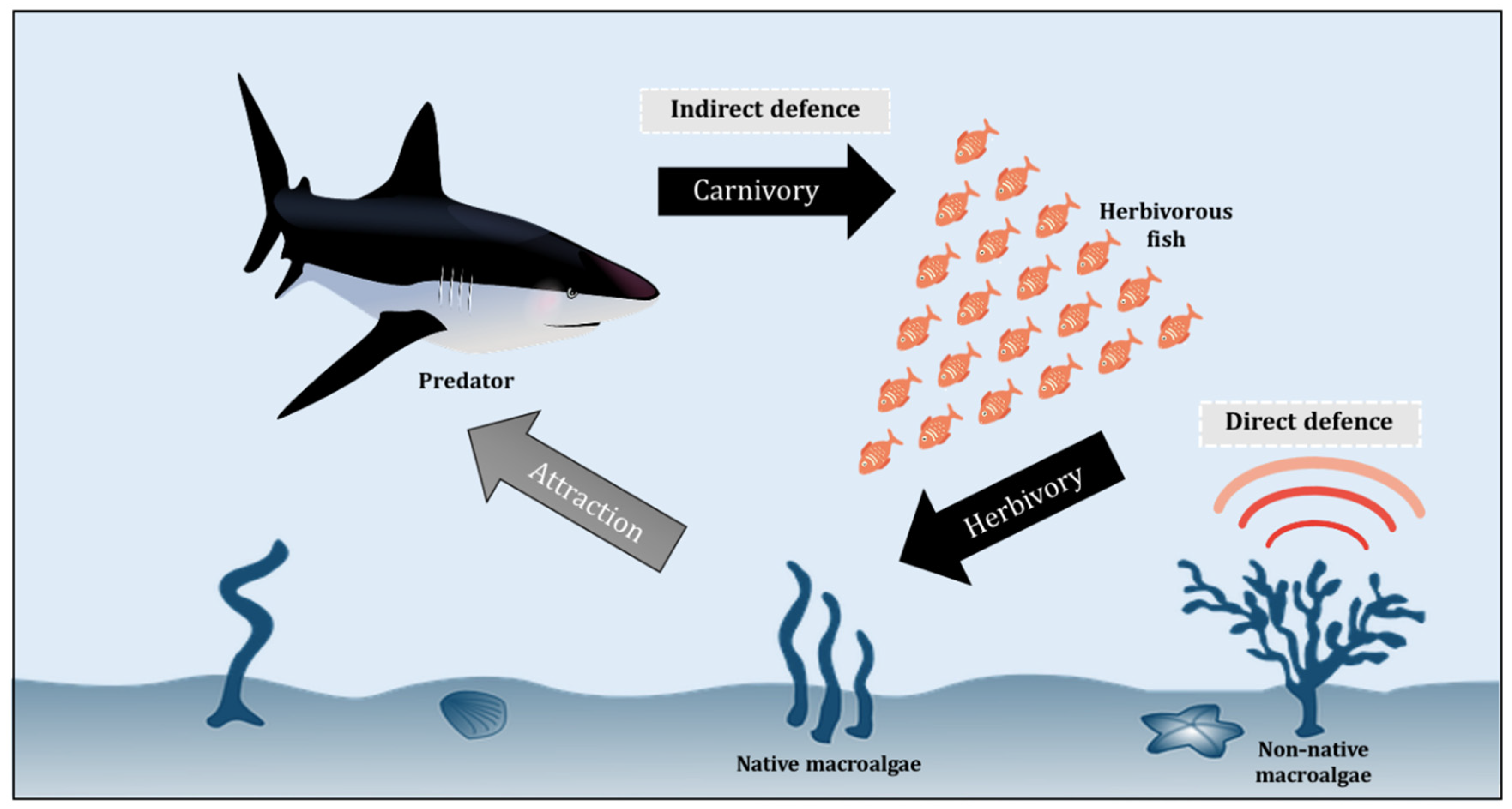
Ecosystems are complex networks of living and non-living components, and autotrophic nutrition plays a central role in their functioning. Autotrophs form the first trophic level in an ecosystem.
They capture energy and convert it into a usable form for other organisms. This energy transfer supports all higher trophic levels, including herbivores, carnivores, and decomposers.
Autotrophic nutrition also influences nutrient cycles such as the carbon cycle and nitrogen cycle. By fixing carbon dioxide and, in some cases, nitrogen, autotrophs make these elements available to other organisms.
By studying ecosystems, one can clearly see what is autotrophic nutrition and how it supports biodiversity and ecological balance.
Differences Between Autotrophic and Heterotrophic Nutrition
To better understand what is autotrophic nutrition, it is helpful to compare it with heterotrophic nutrition. Autotrophic nutrition involves the synthesis of food from inorganic substances, while heterotrophic nutrition involves obtaining food from other organisms.
Autotrophs are independent producers, whereas heterotrophs depend directly or indirectly on autotrophs for food. Plants, algae, and some bacteria are autotrophs, while animals, fungi, and many bacteria are heterotrophs.
This difference highlights the unique role of autotrophic nutrition in sustaining life and maintaining the flow of energy in ecosystems.
Advantages of Autotrophic Nutrition
Autotrophic nutrition offers several advantages to organisms that follow it. One major advantage is independence. Autotrophs do not rely on other organisms for food, which reduces competition.
Another advantage is their ability to colonize a wide range of environments. As long as basic raw materials and energy are available, autotrophs can survive and grow.
Autotrophic nutrition also allows for the continuous production of organic matter, which supports the survival of countless other organisms. These advantages further emphasize what is autotrophic nutrition and why it is so successful in nature.
Limitations of Autotrophic Nutrition
Despite its advantages, autotrophic nutrition also has certain limitations. Photosynthetic autotrophs depend on sunlight, which means they cannot perform this process at night or in deep, dark environments.
Environmental factors such as pollution, lack of water, and nutrient-poor soil can also limit autotrophic nutrition. Chemosynthetic autotrophs, while not dependent on sunlight, are restricted to specific environments where suitable chemicals are available.
These limitations show that while autotrophic nutrition is powerful, it is also influenced by environmental conditions.
Autotrophic Nutrition and Human Life
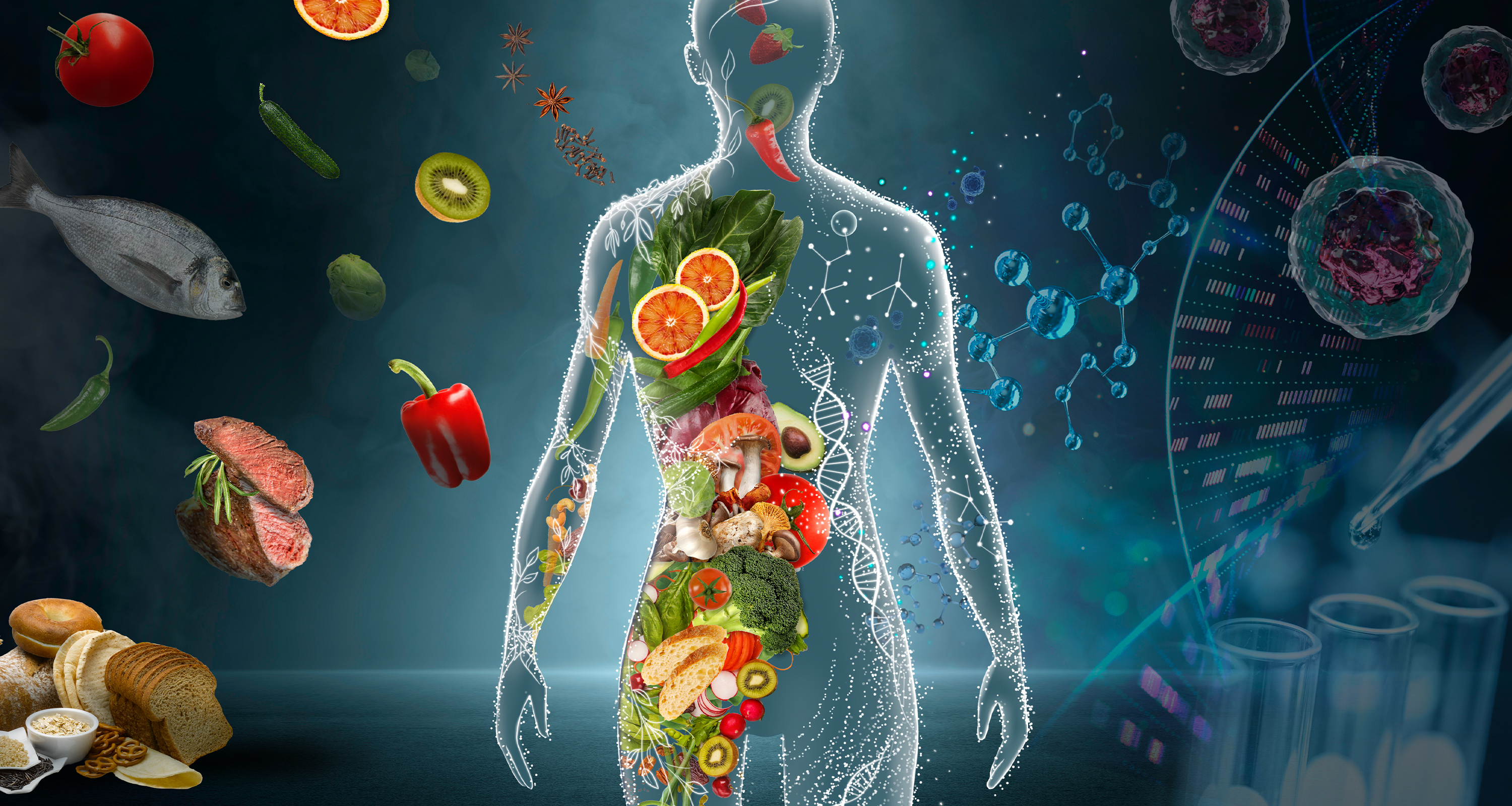
Human life is deeply connected to autotrophic nutrition. The food we eat, whether plant-based or animal-based, ultimately comes from autotrophs.
Plants provide cereals, fruits, vegetables, and pulses, which are essential components of the human diet. Animals that humans consume also depend on plants for their food.
Oxygen produced by autotrophic nutrition is vital for human respiration. Even fossil fuels are ancient products of autotrophic organisms that lived millions of years ago.
By recognizing these connections, it becomes clear what is autotrophic nutrition and how it directly and indirectly supports human survival.
Educational Importance of Autotrophic Nutrition
Autotrophic nutrition is a core topic in biology education. It helps students understand basic life processes, energy flow, and ecological relationships.
Learning what is autotrophic nutrition builds a foundation for understanding more complex topics such as ecosystems, environmental science, and climate change.
This concept also encourages appreciation for plants and microorganisms, which are often overlooked despite their crucial role in sustaining life.
Conclusion
In conclusion, understanding what is autotrophic nutrition is essential for understanding life itself. Autotrophic nutrition is the process by which organisms make their own food from simple inorganic substances using light or chemical energy. It is the foundation of all ecosystems and the starting point of energy flow in nature.
From green plants and algae to specialized bacteria, autotrophs play a vital role in maintaining ecological balance, producing oxygen, and supporting all other forms of life. Without autotrophic nutrition, life on Earth as we know it would not be possible.
By exploring its definition, types, process, importance, and role in ecosystems, this article provides a complete and detailed explanation of what is autotrophic nutrition. This knowledge not only enhances scientific understanding but also fosters respect for the natural systems that sustain our planet.
Read More:- Heterotrophic Nutrition Explained: Meaning, Types and Examples