
Introduction
Living organisms require energy and nutrients to grow, repair tissues, reproduce, and maintain life processes. Some living things can make their own food, but most need food from outside sources. This reliance is the foundation of heterotrophic nutrition, a type of nutrition that is very important for keeping nature in balance. Many living things, from tiny bacteria to big mammals, stay alive by eating organic matter made by other living things. This nutritional method helps us understand food chains, how living things interact with each other in ecosystems, and how all living things depend on each other on Earth.
Nutrition is not just about eating; it’s also about getting energy and other important things that your body needs. In this situation, creatures that can’t make their own sustenance depend on complicated interactions between living things and the environment. These interactions form ecosystems, control how many animals and plants there are, and make sure that energy flows across trophic levels. By examining this nutritional mode, we acquire understanding of the mechanisms by which life supports itself beyond photosynthesis and chemical synthesis.
What Does “Heterotrophic Nutrition” Mean


The word “heterotrophic” comes from Greek terms that mean “other” and “food.” It refers to a way of getting food when live or dead creatures get ready-made organic food from other living or dead species. Heterotrophic nutrition means that the organism can’t make its own nourishment from inorganic resources like carbon dioxide and water. Instead, it relies on complex organic substances like carbohydrates, proteins, and lipids that other species have already made.
This is how some protists, fungi, and bacteria get their food. For instance, people eat plants and animals to get the energy they require. Even animals that eat plants, like herbivores, need producers for food in the end. This shows that most living things depend on producers in an indirect way, even though they eat different things.
Basic Traits of Heterotrophic Organisms
Organisms that use this dietary strategy have certain things in common. They need organic food sources, can’t fix carbon on their own, and often have unique structures or systems for taking in, digesting, and absorbing nutrients. In heterotrophic feeding, digestion can happen inside the body, like in animals, or outside the body, such in fungi that leak enzymes onto their food supply.
Another important trait is the ability to move or adapt. Many of these species may move around to find food or change how they eat dependent on what is available. They can live in a wide range of places, from deep waters to dry ground, because they are so adaptable. Their techniques for staying alive are intimately tied to the number of producers and other consumers in their ecosystem.
Different Kinds of Heterotrophic Nutrition
There are several kinds of this type of nutrition based on how organisms get their food. Each variety has a different way of surviving and a different position in the ecosystem. Heterotrophic nourishment is often categorized into holozoic, saprophytic, parasitic, and symbiotic types.
Animals often eat in a holozoic way. This process involves eating food in solid or liquid form, digesting it inside the body, absorbing it, and finally getting rid of the waste. This is how people, dogs, birds, and fish work.
Getting sustenance from dead and decaying organic substances is called saprophytic nutrition. Some bacteria and fungi do this by releasing digestive enzymes onto their diet and then taking in the nutrients that have dissolved. This process is very important for breaking down things and recycling nutrients in nature.
Parasitic nutrition happens when one living thing gets food from another living thing, called the host, which can be harmful. Tapeworms, lice, and certain bacteria are examples of parasites that can only live if they have a host.
In symbiotic nutrition, two species live together and share resources for their own advantage. A famous example of this is lichens, which are made up of algae and fungi living together. Even while this requires cooperation, it is still heterotrophic feeding for the organism that needs another creature for organic food.
How Heterotrophs Get Their Food and How It Works
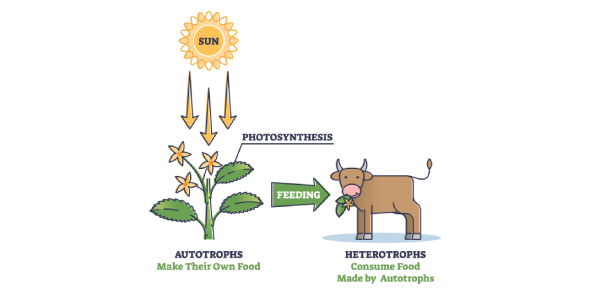
There are various steps in the process of getting and using food that make sure energy is released and nutrients are used. In heterotrophic nutrition, the first phase is eating, which means taking food into the body or absorbing it from the environment. Enzymes break down complicated compounds into smaller forms during digestion, which comes next.
Absorption lets nutrients get into cells or the blood, where they are moved to other regions of the body. Assimilation happens next, turning the nutrients that were taken into energy or materials for growth and repair. Finally, egestion gets rid of trash and undigested food from the body.
In fungus, digestion happens outside of the body, whereas in animals, it happens inside the body. Even though the methods are different, the purpose is still the same: to get useful energy and nutrients from organic materials.
The Importance of Heterotrophic Nutrition in Ecosystems
This way of getting nutrients is important for keeping the ecosystem in balance. Heterotrophic feeding helps keep population levels in check and keeps energy flowing through food chains. Herbivores keep plant populations in check, predators keep herbivores in check, and decomposers break down dead matter and put nutrients back into the soil.
Ecosystems would fall apart if these organisms weren’t around to break down dead organic stuff. Nutrient cycle would cease, and producers would ultimately be devoid of the essential basic materials for growth. So, this type of nutrition helps not only the organisms that use it but also the whole ecosystem.
Examples from Nature and Everyday Life
This dietary strategy is easy to understand because it is based on how humans eat. We eat both plant-based meals like fruits, vegetables, and grains and animal-based foods like meat, milk, and eggs. All of these sources are made up of organic stuff that other living things made.
Animals in the wild show a wide range of ways of getting food when they eat other animals. Lions eat herbivores, deer eat vegetation, and vultures eat dead animals. Each one has a special job to do to keep their ecosystem in balance.
Microorganisms also eat this way. Bacteria that break down garbage and fungi that grow on bread or fruit get their nutrients from organic matter, which shows how common and important this type of nutrition is.
A Comparison with Autotrophic Nutrition
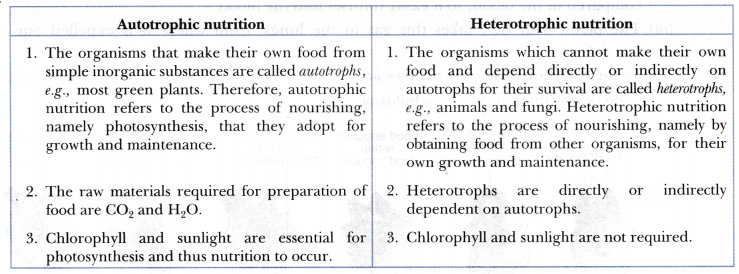
When you compare this nutritional strategy to autotrophic nutrition, it becomes evident. Autotrophs can make their own food from sunlight or chemical energy, whereas heterotrophs need other creatures to eat. Producers are at the bottom of food chains, while consumers and decomposers are at the top.
Both ways of getting nutrients depend on each other. Autotrophs give us organic food and oxygen, while heterotrophs give nutrients back to the environment through breathing, waste, and decomposition. This interdependence guarantees the persistence of life processes on Earth.
Part in Food Chains and Food Webs
Food chains show how energy moves from producers to consumers. Heterotrophic organisms are primary, secondary, and tertiary consumers. Herbivores are the first consumers, carnivores are the second or third consumers, and decomposers work at all levels.
Food webs reveal how different feeding connections are related in a more complicated way. These networks show that one organism’s existence often depends on several others. Any change in these linkages can have an effect on the whole ecosystem, which shows how important it is to have balanced nutritional interactions.
Adaptations that Help this Way of Eating
Organisms that depend on this type of food have developed different ways to get food quickly. Animals often have sharp teeth, strong jaws, specific digesting enzymes, and complicated digestive systems. Fungi have thread-like structures called hyphae that help them absorb more by increasing their surface area.
Changes in behavior also have a role. Hunting methods, migration, social eating habits, and camouflage all help a creature get food. These adaptations show how important heterotrophic nutrition is for evolution, survival, and reproduction.
Importance in Education and Biology
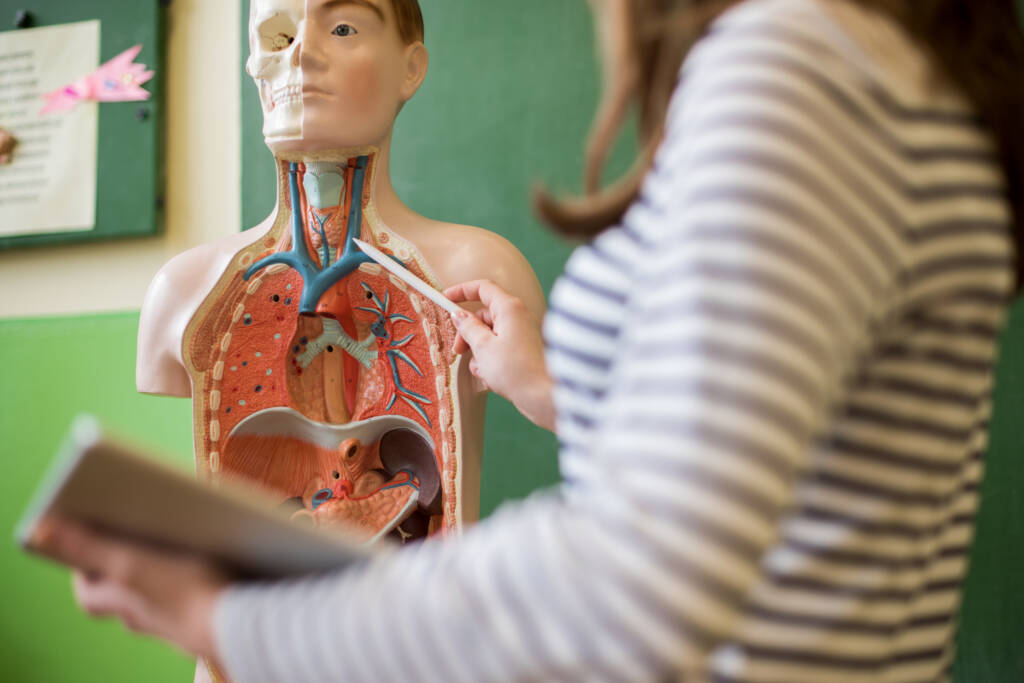
It is very important to learn about this nutritional strategy in biology class. It helps children learn about how energy moves, how living things interact with each other, and how people depend on nature. Knowing about heterotrophic nutrition can also be useful in medical, agriculture, and environmental research.
Learning about parasites helps prevent diseases, and learning about decomposers helps with waste management and soil fertility. So, this idea goes beyond theory and has an effect on real-world actions that have an impact on people’s health and the environment.
Conclusion
Nutrition is a fundamental aspect of existence, and the variety of dietary approaches illustrates the intricacy of living systems. Heterotrophic feeding is an important way that many organisms get the energy and nutrients they need by relying on other creatures. This method helps keep food chains, nutrient cycles, and ecological balance in check by supporting everything from basic bacteria to large creatures.
We learn more about how all living things are connected when we learn how they get and use organic food. This way of getting nutrients not only keeps individual creatures alive, but it also keeps ecosystems around the world going and stable.
Read More:- Autotrophic Nutrition Explained: Process, Types and Importance