

Introduction
Some species can make their own food, which is the basis of all food chains. This is what makes life on Earth possible. Autotrophic feeding is a wonderful way of getting food that feeds almost all living things directly or indirectly. This way of getting food lets life thrive without needing other organisms for nourishment. It works for anything from green plants that cover huge areas to tiny bacteria that live in very harsh conditions. In biology, it’s important to understand this idea since it shows how energy gets into ecosystems and how nature stays in balance.
People sometimes call autotrophs “producers” because they turn simple inorganic materials into more complex organic compounds. Later on, these chemicals are eaten by herbivores, carnivores, and decomposers. Life as we know it would not be possible without this natural process. This article will examine the meaning, mechanism, types, significance, and ecological function of this intriguing nutritional strategy in a comprehensive and organized manner.
Defining and Explaining Autotrophic Nutrition

Autotrophic nutrition is a way of getting food in which living things make their own sustenance from simple inorganic things like carbon dioxide, water, and mineral salts. The energy needed to make this food comes from either sunshine or chemical reactions. Autotrophs are organisms that use this strategy. They don’t need other living things to get their sustenance, thus they can grow their own food.
Autotrophs are most often green vegetation. They use sunlight, chlorophyll, carbon dioxide, and water to make glucose, which is their main source of energy. This pattern of nutrition can also be seen in some bacteria and algae, in addition to plants. Autotrophs can make their own food, while heterotrophs need to eat other creatures to stay alive.
Basic Requirements for Autotrophic Nutrition
For an organism to do this kind of nourishment, it needs to meet some basic needs. The first thing you need is a place to get raw materials. Carbon dioxide gives carbon, water gives hydrogen and oxygen, and mineral nutrients give important components like nitrogen, magnesium, and iron. A source of energy is the second prerequisite. Most of the time, sunlight is the energy source, but in other creatures, chemical energy takes its place.
Another key thing is that the right cellular structures are there. Chloroplasts with chlorophyll are very important in green vegetation. Chlorophyll takes in sunlight and starts the process of making food. Enzymes also help speed up biological reactions in cells, making sure they happen quickly and correctly.
How Autotrophs Prepare Food
Autotrophs have a complicated way of preparing food that requires many chemical reactions working together in a planned way. These processes turn basic things into carbs, which can be stored or used for energy later. The procedure is different for organisms that use light energy and those that use chemical energy, but the final aim is always the same: to make organic food.
This process happens mostly in the leaves of plants, where there are a lot of chloroplasts. The roots take up water, which then moves up the stem. Carbon dioxide, on the other hand, enters the leaves through small holes called stomata. The reactions that make glucose happen need energy from sunlight.
The Part Photosynthesis Plays in Autotrophic Nutrition
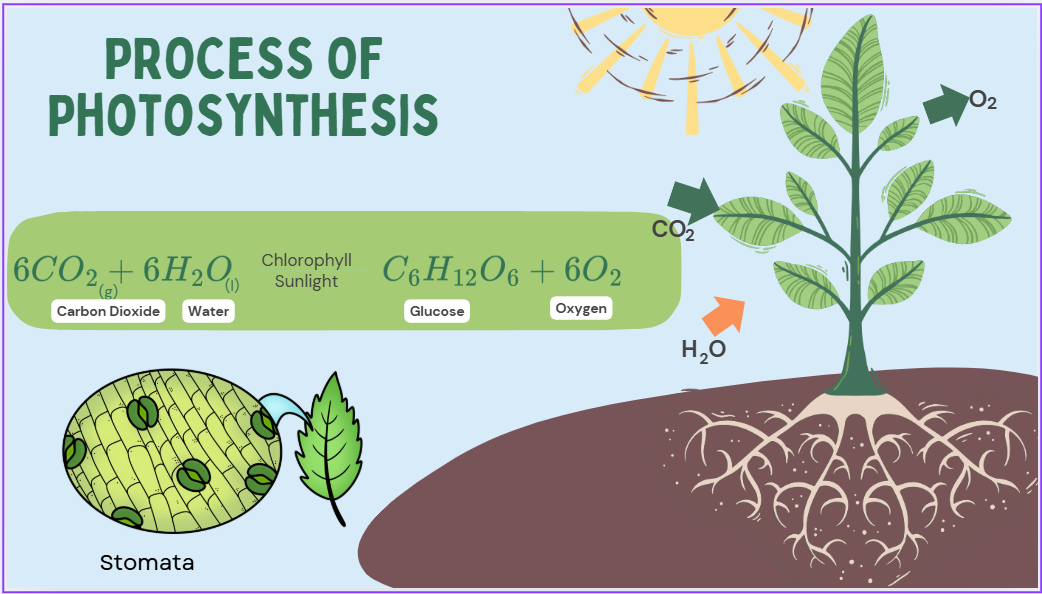
Photosynthesis is the most well-known way that autotrophic nutrition works. This is a biological mechanism that green plants, algae, and some microorganisms use to turn light energy into chemical energy. In the presence of sunshine and chlorophyll, carbon dioxide and water combine to make glucose and oxygen.
There are two key parts to this process: the light reaction and the dark reaction. The light reaction takes in sunlight and turns it into chemical energy in the form of ATP and NADPH. The Calvin cycle, often known as the dark process, uses this chemical energy to turn carbon dioxide into glucose. The oxygen that is released during photosynthesis is a by-product that helps life on Earth that needs oxygen to survive.
Chemosynthesis as a Method of Autotrophic Nutrition
Some autotrophs don’t need sunshine to manufacture their food. Chemosynthesis is a process that some organisms, especially some bacteria, use. In this process, chemical reactions between inorganic molecules like hydrogen sulfide, ammonia, or iron complexes are used to get energy. Then, this energy is used to turn carbon dioxide into organic food.
Chemosynthetic creatures are often found in places where there isn’t any sunlight, such deep-sea vents and underground habitats. Even though there is no light, these organisms are very important for keeping unique food webs going. Chemosynthesis shows that life may adapt and survive even in difficult settings by using autotrophic nourishment.
Different Kinds of Autotrophs Based on What they Eat
You can generally group autotrophs by the type of energy they use to make food. Photoautotrophs get their energy from the sun. This includes green plants, algae, and cyanobacteria. They have pigments like chlorophyll that help them capture light energy well.
Chemoautotrophs, on the other hand, get their energy from the oxidation of inorganic materials. Most of these species are bacteria, and they don’t need light to live. Both types play a big role in keeping the ecosystem in balance by being the main producers in their own surroundings.
The Importance of Autotrophic Nutrition in Nature
Autotrophic feeding is very important because it is the basis of all food webs and chains. Autotrophs turn nonliving things into living things, which gives energy to other living things. Herbivores eat plants directly, while carnivores and omnivores get their energy from plants in a roundabout way.
This process of getting nutrients is also very important for keeping the balance in the atmosphere. Photosynthetic autotrophs take in carbon dioxide and give off oxygen, which helps keep the amounts of these gases in the air stable. This equilibrium is important for the survival of aerobic creatures, like people.
The Ecological Function of Autotrophic Nutrition

Autotrophic feeding serves ecological functions that surpass mere food production. When plant parts die, autotrophs supply organic materials to the soil, which makes it more fertile. They also change the weather by influencing how carbon moves and energy flows in ecosystems. Autotrophs are important for the stability and productivity of forests, grasslands, and aquatic ecosystems.
Phytoplankton is the main producer in aquatic environments, and it supports a lot of different kinds of marine life. Green plants help keep soil stable, stop erosion, and give homes to many different kinds of animals on land. Autotrophs are what make up the whole structure of ecosystems since they capture and store energy.
Benefits of Autotrophic Nutrition
Self-sufficiency is one of the best things about this way of eating. Autotrophs don’t need other creatures to get nourishment, which lets them live in a wide range of places. This independence affords them an evolutionary edge, especially in places where food is hard to find.
Another benefit is that it lasts. Because autotrophs employ renewable resources like sunshine and inorganic substances, they can make food all the time without harming the ecosystem. This means that autotrophic feeding is a natural way to live that supports long-term ecological balance.
What Makes Autotrophic and Heterotrophic Nutrition Different
Autotrophic and heterotrophic nutrition differ greatly in their sources of food and energy. Autotrophs make their own nourishment from nonliving things, while heterotrophs need to eat other living things. In food chains, autotrophs are producers and heterotrophs are consumers.
The two modes also have different ways of moving energy. Photosynthesis or chemosynthesis brings energy into the ecosystem in autotrophs. Heterotrophs get this energy by eating plants or other animals. Both types of nourishment are linked and necessary for life on Earth to continue.
Autotrophic Nutrition and Human Existence
Even though humans are heterotrophs, autotrophic feeding is very important to human life. Autotrophs are the source of the food we consume, the air we breathe, and the fuels we utilize. Plant-based foods that keep people alive around the world include grains, fruits, vegetables, and crops.
Additionally, fossil fuels like coal and oil come from plants that lived millions of years ago and used photosynthesis to make them. This illustrates that autotrophic processes have helped not only life on Earth now, but also human civilization and the growth of technology.
Problems with Autotrophic Nutrition
Autotrophic feeding is important, but it has a lot of problems because the environment is changing. Cutting down trees makes it harder for green plants to photosynthesize. Pollution harms bodies of water, which makes it harder for aquatic autotrophs to flourish. Climate change changes the patterns of temperature and rainfall, which affects how well plants grow.
Human actions that hurt autotrophs can throw whole ecosystems out of whack. Less plant growth means less oxygen and less food for other species. So, protecting autotrophs is important for both environmental conservation and long-term growth.
Conclusion
Autotrophic feeding is the basis of life on Earth because it lets living things turn simple inorganic materials into organic food that is good for them. Autotrophs bring energy into ecosystems and support all other kinds of life through processes like photosynthesis and chemosynthesis. They control the gasses in the air, keep the environment in balance, and make up the base of food chains and human survival.
By learning about the importance of this way of eating, we learn about how living things are connected and how important it is to protect natural resources. Protecting autotrophs implies protecting life itself, since every breath we take and every meal we eat comes from the amazing process of making food for ourselves.
Read More:- What Is Autotrophic Nutrition? Definition, Types, Process