
Mental health plays a crucial role in shaping how individuals think, feel, and behave in everyday life. In recent years, the conversation around mental health awareness has gained global attention as more people recognize the importance of emotional and psychological well-being. Despite growing awareness, stigma, misinformation, and lack of access to care continue to affect millions worldwide.
Understanding mental health is essential not only for personal well-being but also for building supportive communities and healthier societies. This comprehensive guide explores mental health, its impact, risk factors, treatment options, and steps toward healing.
Introduction to Mental Health Awareness
What Is Mental Health?
Mental health refers to a person’s emotional, psychological, and social well-being. It influences how individuals handle stress, relate to others, and make decisions. Good mental health allows people to cope with life’s challenges, maintain relationships, and achieve their goals.
Mental health exists on a spectrum, ranging from optimal well-being to severe mental health conditions. Everyone experiences fluctuations in mental health depending on circumstances, stress levels, and life experiences.
Why Mental Health Awareness Is Important Today
The importance of mental health awareness has increased due to rising stress levels, changing lifestyles, and growing societal pressures. According to the World Health Organization, mental health disorders affect hundreds of millions of people globally, making them one of the leading causes of disability.
Awareness helps people:
-
Recognize symptoms early
-
Seek timely treatment
-
Reduce stigma
-
Support others effectively
-
Promote healthier communities
The Growing Need for Mental Health Conversations
Modern challenges such as digital overload, work pressure, and social isolation have intensified mental health concerns. Open discussions encourage understanding, compassion, and early intervention, making mental health conversations more necessary than ever.
Understanding Mental Health
Emotional, Psychological, and Social Well-Being
Mental health involves three major components:
-
Emotional well-being: Managing emotions and expressing feelings appropriately
-
Psychological well-being: Thinking clearly, learning, and coping with challenges
-
Social well-being: Building healthy relationships and interacting positively
These components work together to shape overall well-being.
Factors That Affect Mental Health
Several factors influence mental health, including:
-
Life experiences
-
Family history
-
Biological conditions
-
Social environment
-
Economic stability
-
Physical health
Understanding these factors helps individuals manage risks and improve resilience.
Common Mental Health Disorders

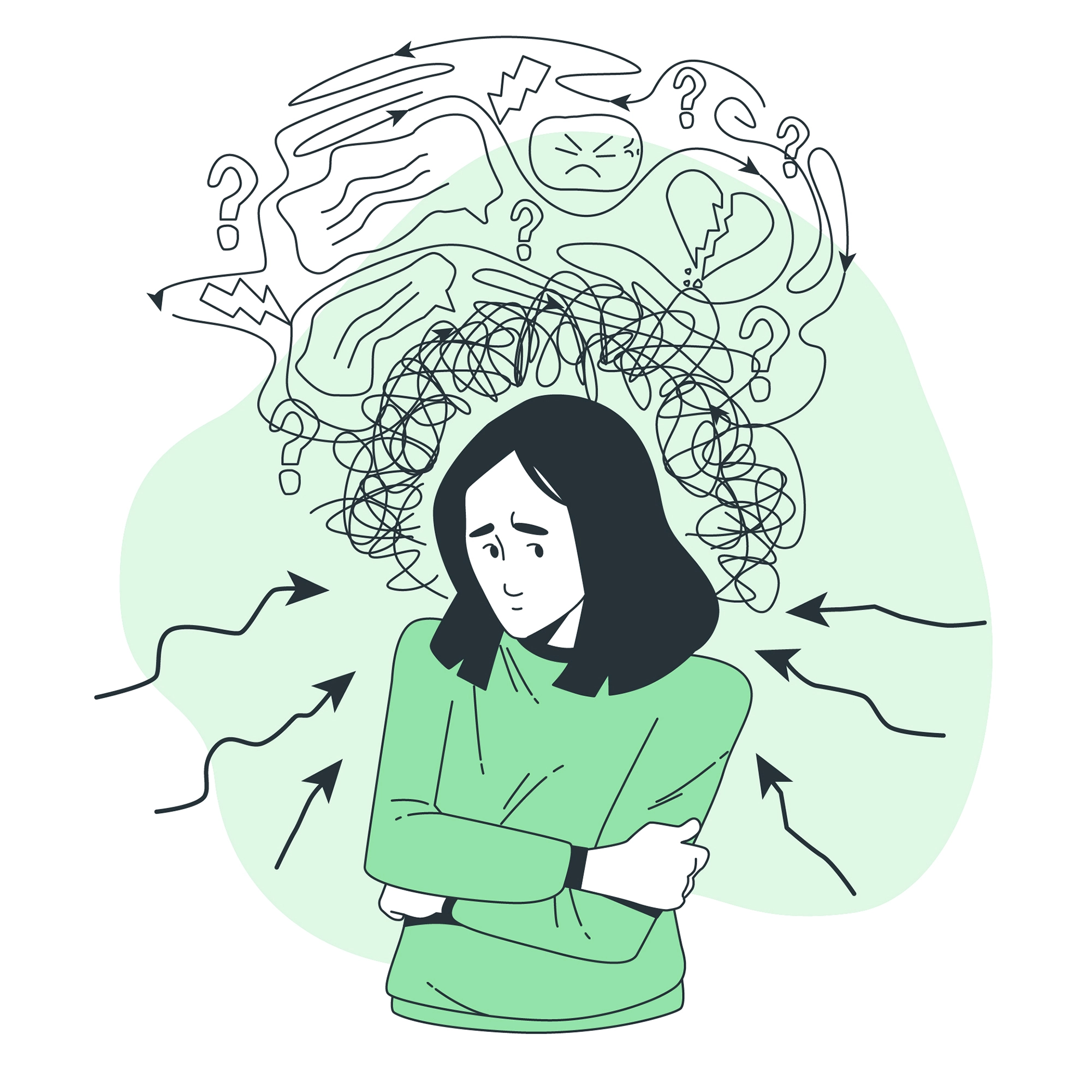
Some of the most common mental health disorders include:
-
Depression: Persistent sadness and loss of interest
-
Anxiety disorders: Excessive fear or worry
-
Bipolar disorder: Extreme mood changes
-
Post-traumatic stress disorder (PTSD): Stress after traumatic events
Each condition varies in severity and requires appropriate treatment.
Early Signs and Symptoms to Watch For
Early detection plays a key role in recovery. Warning signs may include:
-
Changes in mood or behavior
-
Withdrawal from social activities
-
Difficulty concentrating
-
Sleep disturbances
-
Loss of energy
-
Persistent sadness or worry
Recognizing these symptoms early allows timely intervention.
Causes and Risk Factors of Mental Health Issues
Biological and Genetic Factors
Genetics and brain chemistry significantly influence mental health. Individuals with a family history of mental illness may have higher susceptibility. Hormonal imbalances and neurological factors can also contribute.
Environmental Influences
Environmental factors such as financial stress, work pressure, and social challenges can negatively impact mental well-being. Poor living conditions and limited access to healthcare also increase risk.
Lifestyle and Daily Stressors
Unhealthy habits such as lack of sleep, poor diet, and limited physical activity can affect mental health. Chronic stress from daily responsibilities may lead to emotional exhaustion.
Trauma and Life Experiences
Traumatic events such as abuse, loss, or accidents can have long-lasting psychological effects. Childhood experiences, in particular, strongly shape emotional development and resilience.
The Impact of Mental Health on Daily Life
Effects on Physical Health
Mental and physical health are closely connected. Poor mental health may lead to physical symptoms such as fatigue, headaches, digestive issues, and weakened immunity.
Impact on Relationships and Social Life
Mental health challenges can strain relationships, reduce communication, and cause social withdrawal. Supportive relationships play a crucial role in recovery.
Mental Health and Work or Academic Performance
Mental health conditions affect productivity, concentration, and decision-making. Workplace stress and academic pressure often worsen symptoms.
Long-Term Consequences of Ignoring Mental Health
Ignoring mental health concerns may lead to severe consequences such as chronic illness, substance abuse, or social isolation. Early support improves outcomes significantly.
Breaking the Stigma Around Mental Health
Common Misconceptions About Mental Health
Many myths still surround mental health conditions, including beliefs that mental illness indicates weakness or that people should handle problems alone. These misconceptions prevent individuals from seeking help.
How Stigma Prevents People from Seeking Help
Stigma creates fear, shame, and discrimination. People may avoid treatment due to social judgment, leading to worsening conditions.
Promoting Open Conversations and Acceptance
Education, empathy, and awareness campaigns help normalize mental health discussions. Encouraging open dialogue fosters acceptance and understanding.
Supporting Mental Health and Well-Being

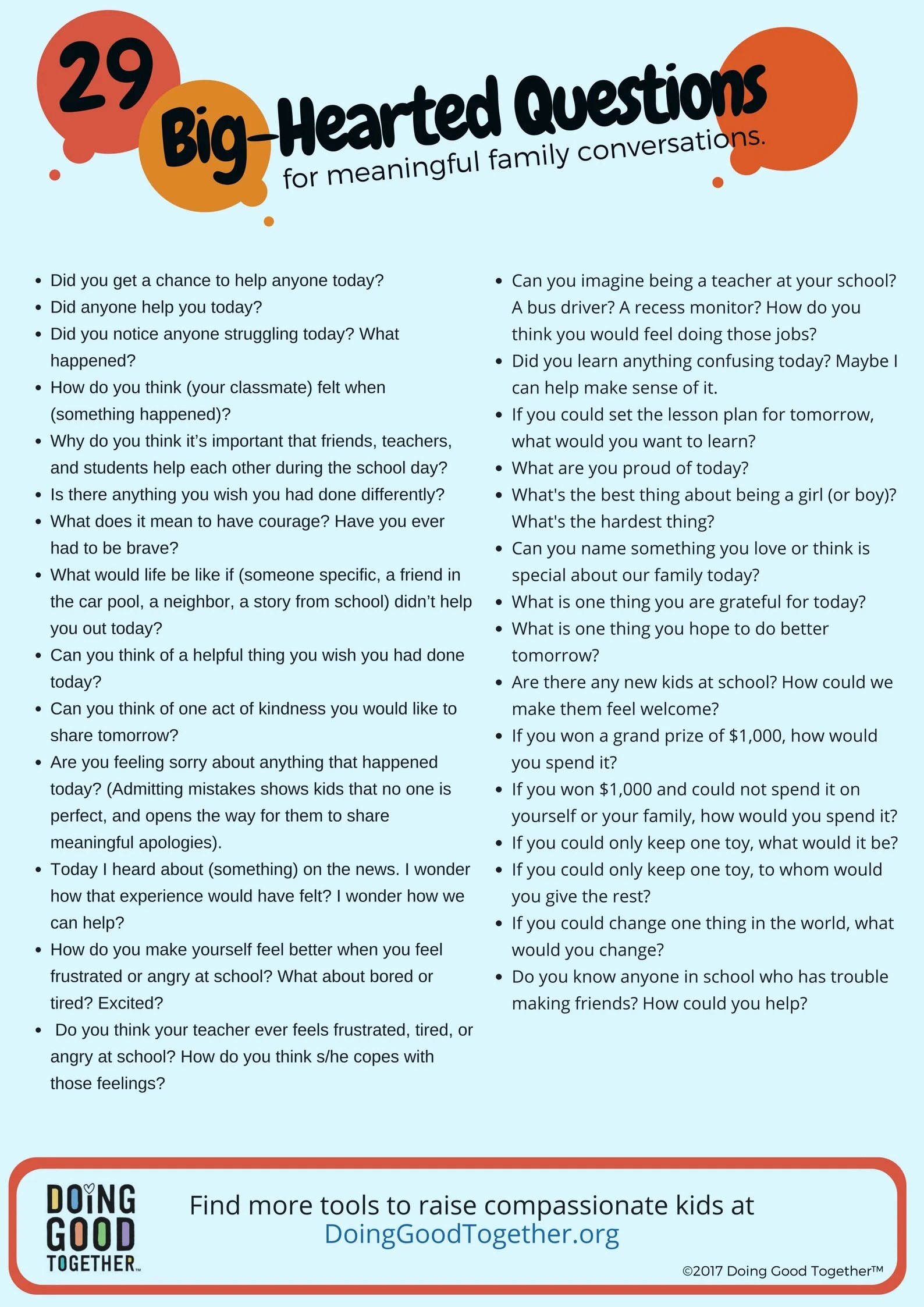

Self-Care Practices for Mental Health
Self-care promotes emotional balance and resilience. Effective practices include:
-
Regular exercise
-
Meditation and mindfulness
-
Healthy eating habits
-
Adequate sleep
-
Journaling and relaxation techniques
Building Healthy Habits and Routines
Consistent routines improve stability and reduce stress. Setting realistic goals and maintaining balance between work and personal life supports mental well-being.
The Role of Family and Friends in Support
Family and friends provide emotional support, encouragement, and understanding. Listening without judgment and offering help can make a significant difference.
Creating a Positive and Supportive Environment
A supportive environment promotes emotional safety and growth. Positive surroundings, healthy communication, and stress management improve mental health outcomes.
Professional Help and Treatment Options
Therapy and Counseling
Psychotherapy helps individuals understand emotions, develop coping strategies, and manage symptoms. Various approaches include cognitive behavioral therapy and talk therapy.
Organizations such as the Mental Health Foundation promote education and resources to support therapy access and mental well-being worldwide.
Medication and Medical Treatment
In some cases, medication helps regulate brain chemistry and manage symptoms. Treatment should always be supervised by qualified healthcare professionals.
Alternative and Holistic Approaches
Holistic approaches such as yoga, meditation, and mindfulness complement traditional treatments. These methods focus on overall well-being and stress reduction.
When to Seek Professional Help
Professional help should be considered when symptoms persist, interfere with daily life, or cause emotional distress. Early treatment improves recovery outcomes.
Mental Health Awareness in Society
Mental Health in Schools and Workplaces
Educational institutions and workplaces play a vital role in promoting mental health. Support programs, counseling services, and stress management initiatives create healthier environments.
Community Awareness Programs
Community programs educate individuals about mental health challenges and available resources. Awareness campaigns encourage early intervention and support.
The Role of Media and Social Platforms
Media influences public perception of mental health. Responsible representation and educational content help reduce stigma and promote understanding.
Mental Health Statistics and Global Insights
Understanding mental health trends highlights the importance of prevention and care. Below is a statistical overview of global mental health challenges.
Global Mental Health Statistics
| Category | Key Statistics |
|---|---|
| People affected by mental disorders worldwide | Over 970 million individuals |
| Leading cause of disability | Depression |
| Percentage of people receiving treatment globally | Less than 50% |
| Increase in anxiety and depression cases post-pandemic | Significant global rise |
| Suicide as a global health concern | Among leading causes of death |
These figures demonstrate the growing importance of mental health awareness and the need for accessible support systems.
Mental Health Impact by Age Group
| Age Group | Common Mental Health Challenges |
|---|---|
| Children and Adolescents | Anxiety, behavioral disorders |
| Young Adults | Stress, depression, identity challenges |
| Adults | Work-related stress, anxiety |
| Older Adults | Loneliness, cognitive decline |
Different age groups experience unique mental health challenges, requiring tailored support strategies.
Steps Toward Healing and Recovery
Coping Strategies for Mental Health Challenges
Healthy coping mechanisms improve emotional resilience. Effective strategies include:
-
Practicing mindfulness
-
Maintaining social connections
-
Seeking professional guidance
-
Engaging in creative activities
-
Managing stress effectively
Building Resilience and Emotional Strength
Resilience helps individuals adapt to challenges and recover from setbacks. Developing positive thinking patterns and strong support networks enhances resilience.
The Importance of Patience in Healing
Mental health recovery takes time and commitment. Progress may be gradual, but consistent effort leads to improvement.
Real-Life Mental Health Recovery Examples
Overcoming Stress Through Lifestyle Changes
Many individuals improve mental health by adopting healthier routines such as regular exercise, balanced diets, and meditation practices.
The Role of Therapy in Emotional Healing
Therapy provides a safe space for emotional expression and problem-solving. Many people experience significant improvement through professional guidance.
Community Support and Shared Experiences
Support groups and community programs create a sense of belonging and understanding, which aids recovery.
Conclusion
Key Takeaways on Mental Health Awareness
Mental health is an essential component of overall well-being that influences thoughts, emotions, and behavior. Understanding mental health conditions, recognizing symptoms, and seeking help are critical steps toward a healthier life.
Encouraging Ongoing Awareness and Support
Promoting mental health awareness helps reduce stigma, encourages early intervention, and supports individuals facing mental health challenges. Communities, families, and institutions all play a role in fostering mental well-being.
Moving Toward a Healthier and More Understanding Society
A society that values emotional well-being and supports mental health creates healthier individuals and stronger communities. By continuing education, encouraging open dialogue, and providing accessible care, we can move toward a future where mental health is prioritized and understood.
Read More:- Understanding Mental Health Awareness Month: A Complete Guide