

Introduction
Rice water has become one of the most talked-about natural skincare remedies in recent years. From social media beauty trends to traditional skincare practices, many people use rice water to achieve glowing and smooth skin. It is widely praised for its skin-brightening, oil-controlling, and soothing properties.
However, despite its growing popularity, many people are unaware of the possible side effects of rice water on face. While rice water offers several benefits, improper use or overuse may lead to skin irritation, dryness, or breakouts. Understanding both the advantages and risks is essential before adding it to your skincare routine.
What Is Rice Water for Skin Care?
Rice water is the starchy liquid left after soaking or boiling rice. It contains vitamins, minerals, amino acids, and antioxidants believed to improve skin texture and appearance. Many cultures have used rice water for centuries as a natural beauty treatment.
Why Rice Water Is Popular in Beauty Routines
The increasing demand for chemical-free skincare has made natural remedies more appealing. Rice water is affordable, easy to prepare, and widely available, making it a convenient skincare solution for many people.
Importance of Understanding Side Effects Before Use
Although natural ingredients are generally safe, they are not completely risk-free. Knowing the potential side effects of rice water on face helps prevent skin damage and ensures safe usage.
What Is Rice Water and How Does It Work on Skin?


Rice water works on the skin by forming a protective layer that may improve hydration and texture. Its nutrients help soothe irritation and reduce excess oil, but its effects depend on the type and frequency of use.
Types of Rice Water (Soaked, Boiled, Fermented)
There are three main types of rice water commonly used in skincare:
-
Soaked Rice Water: Prepared by soaking rice in water for several hours. It is mild and suitable for beginners.
-
Boiled Rice Water: Produced by boiling rice and collecting the concentrated liquid. It contains higher nutrient levels.
-
Fermented Rice Water: Stored for a day or two to enhance antioxidant properties, but it may be more irritating for sensitive skin.
Nutrients Present in Rice Water
Rice water contains:
-
Amino acids that support skin repair
-
Vitamins B and E for skin health
-
Antioxidants that fight free radicals
-
Minerals that help maintain skin balance
These nutrients contribute to its skincare benefits but may also trigger reactions in certain skin types.
How Rice Water Affects Skin Texture and Health
Rice water temporarily tightens skin and controls oil production. However, excessive use can disrupt the skin’s natural barrier, leading to dryness or sensitivity — among the common side effects of rice water on face.
Benefits of Rice Water for Face
Before discussing risks, it is important to understand why people use rice water for skincare.
Skin Brightening Effects
Rice water may help improve dull skin and promote a brighter appearance. Some users report reduced pigmentation and more even skin tone with regular use.
Oil Control and Acne Prevention
The starch in rice water helps absorb excess oil from the skin. This makes it popular among individuals with oily or acne-prone skin.
Soothing Skin Irritation
Rice water may calm mild redness and inflammation due to its cooling properties.
Anti-Aging and Skin Tightening Properties
Some people use rice water to reduce the appearance of pores and fine lines. The temporary tightening effect gives the skin a smoother look.
Despite these benefits, users must remain aware of the potential side effects of rice water on face, especially when used frequently.
Side Effects of Rice Water on Face
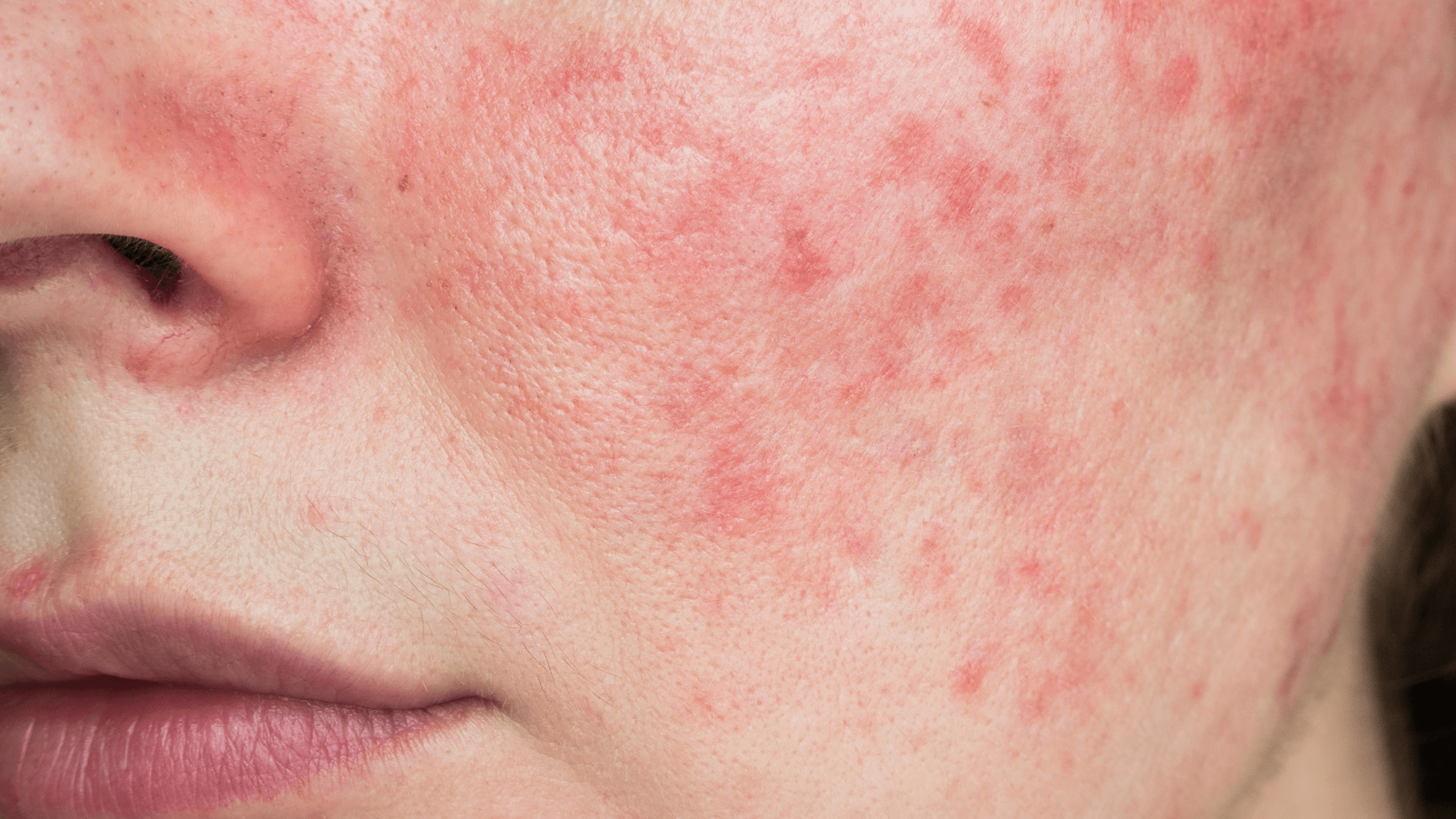

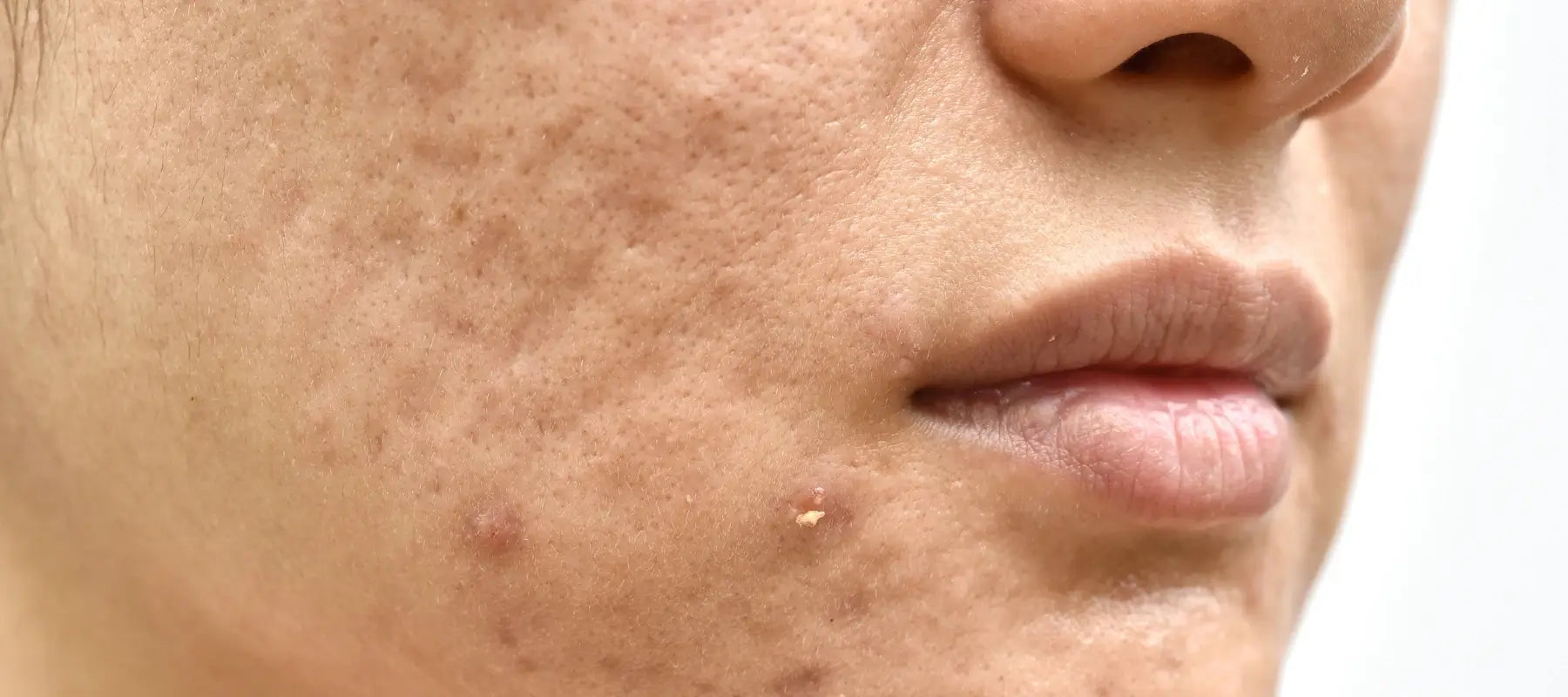
Although rice water is considered safe for many people, it can cause several unwanted reactions if not used properly.
Skin Dryness and Tightness
Rice water contains starch that can absorb natural oils from the skin. Frequent application may lead to excessive dryness, flakiness, or tightness, particularly in people with dry skin.
Allergic Reactions and Skin Sensitivity
Some individuals may experience itching, redness, or rashes due to sensitivity to rice proteins or fermentation byproducts.
Clogged Pores and Breakouts
While rice water helps control oil, residue left on the skin may clog pores and trigger acne in some users.
Skin Barrier Damage from Overuse
Overusing rice water may weaken the skin’s protective barrier, causing irritation and increased sensitivity to environmental factors.
Itching, Redness, or Irritation
Improperly prepared or fermented rice water may cause irritation due to bacterial growth or increased acidity.
Understanding these common side effects of rice water on face can help users avoid serious skin problems.
Who Should Avoid Using Rice Water on Face
Certain individuals are more likely to experience negative reactions.
People with Sensitive Skin
Sensitive skin reacts easily to new ingredients. Rice water may cause redness or irritation in such cases.
Individuals with Dry Skin Conditions
Those with extremely dry skin may experience worsening dryness due to the oil-absorbing properties of rice water.
Those with Existing Skin Allergies or Eczema
People with eczema or skin allergies should avoid using rice water without professional guidance, as it may worsen symptoms.
Risks of Using Fermented Rice Water


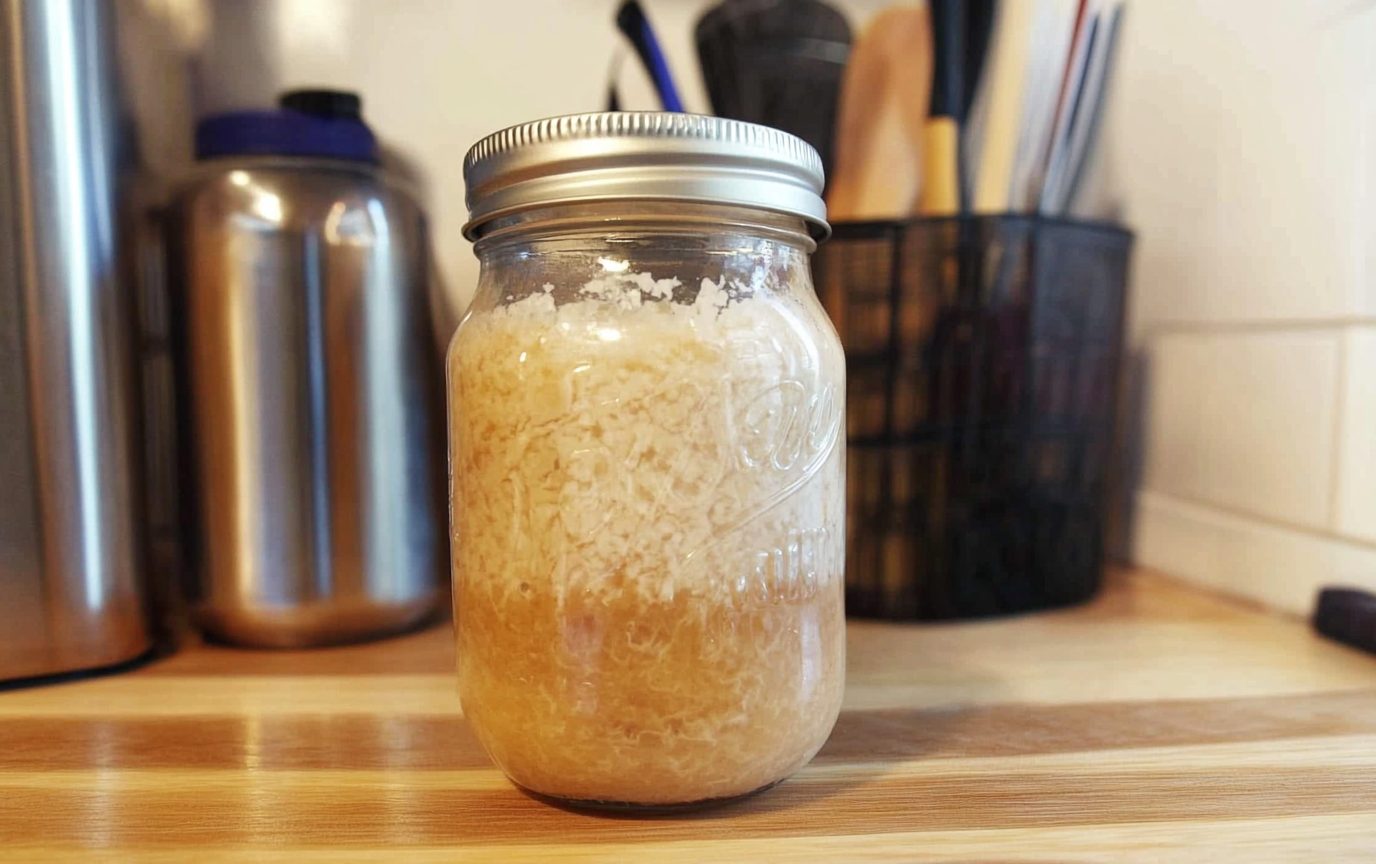
Fermented rice water is often considered more powerful than regular rice water, but it also carries higher risks.
Increased Skin Irritation Risk
Fermentation increases acidity, which may irritate the skin and cause burning sensations.
Strong Acidity and Its Effects
Highly acidic solutions can disrupt the skin’s natural pH balance and damage its protective layer.
Possible Bacterial Growth Issues
Improper storage of fermented rice water may lead to bacterial contamination, increasing the risk of infection or irritation.
Because of these concerns, fermented solutions are associated with more serious side effects of rice water on face.
How to Use Rice Water Safely on Skin
Using rice water correctly can reduce the risk of adverse effects.
Patch Testing Before Application
Always test rice water on a small area of skin before applying it to your face. This helps identify allergic reactions.
Proper Preparation Methods
Use clean water and fresh rice. Avoid storing rice water for too long to prevent contamination.
Recommended Frequency of Use
Limit use to two or three times per week to prevent over-drying or irritation.
Moisturizing After Application
Applying a moisturizer after using rice water helps restore hydration and maintain the skin barrier.
Safe practices reduce the chances of experiencing side effects of rice water on face while maintaining potential benefits.
Rice Water vs Other Natural Skincare Remedies
Natural skincare offers many alternatives that may suit different skin types better.
Comparison with Aloe Vera
Aloe vera is known for its hydrating and soothing properties. Unlike rice water, it rarely causes dryness and is suitable for sensitive skin.
Comparison with Rose Water
Rose water acts as a gentle toner that balances skin pH and refreshes the skin without causing tightness.
Which Option Is Safer for Different Skin Types
-
Oily skin: Rice water may help control oil.
-
Dry skin: Aloe vera is more suitable.
-
Sensitive skin: Rose water or aloe vera may be safer options.
Choosing the right remedy depends on individual skin needs and tolerance.
Tips to Prevent Side Effects of Rice Water
Preventive measures help maximize benefits while minimizing risks.
Choosing the Right Type of Rice Water
Beginners should start with soaked rice water instead of fermented versions.
Avoiding Overuse
Excessive application increases the risk of dryness and irritation.
Combining with Suitable Skincare Routine
Use rice water alongside gentle cleansers and moisturizers to maintain skin balance.
Following these steps helps reduce the likelihood of experiencing side effects of rice water on face.
Rice Water Skincare Usage Statistics
The popularity of natural skincare continues to grow globally. The following table highlights trends related to rice water and natural skincare usage.
| Skincare Trend | Percentage of Users | Key Observation |
|---|---|---|
| Use of natural skincare ingredients | 60%+ | Growing demand for chemical-free products |
| DIY skincare remedies usage | 45% | Home treatments gaining popularity |
| Users reporting positive results from rice water | 70% (self-reported) | Improved skin texture and brightness |
| Users experiencing irritation or dryness | 15–20% | Common with overuse or sensitive skin |
These numbers show that while many people experience benefits, a significant portion also reports side effects of rice water on face.
Real User Experiences (Skin Reaction Snippets)
Understanding real experiences provides insight into potential risks.
Positive Experience
“I used rice water twice a week, and my skin looked brighter and smoother.”
Negative Experience
“Daily use caused my skin to become extremely dry and irritated.”
Mixed Experience
“It worked well initially, but over time my skin became sensitive.”
These experiences highlight the importance of moderation and proper use.
When to Stop Using Rice Water
Signs of Skin Damage
Stop using rice water if you notice:
-
Persistent redness
-
Severe dryness
-
Burning sensation
-
Increased acne
-
Itching or swelling
When to Consult a Dermatologist
Seek professional advice if symptoms persist or worsen after discontinuing use.
Recognizing warning signs early helps prevent long-term damage from the side effects of rice water on face.
Conclusion
Rice water is a popular natural skincare remedy known for its potential benefits, including skin brightening, oil control, and soothing effects. However, it is not suitable for everyone. The possible side effects of rice water on face include dryness, irritation, allergic reactions, and skin barrier damage, especially when used excessively or improperly.
Is Rice Water Safe for Your Skin? Final Verdict
Rice water can be safe when used moderately and prepared properly, but individuals with sensitive or dry skin should use caution.
Balancing Benefits and Risks
Understanding your skin type, performing patch tests, and following safe usage practices can help you enjoy the benefits while avoiding risks. Like any skincare product, rice water should be used responsibly for the best results.
Read More:- 100 Gram Paneer Mein Kitna Protein Hota Hai? Full Nutrition Guide